FUNCTIONALLY ILLITERATE
And in Debt

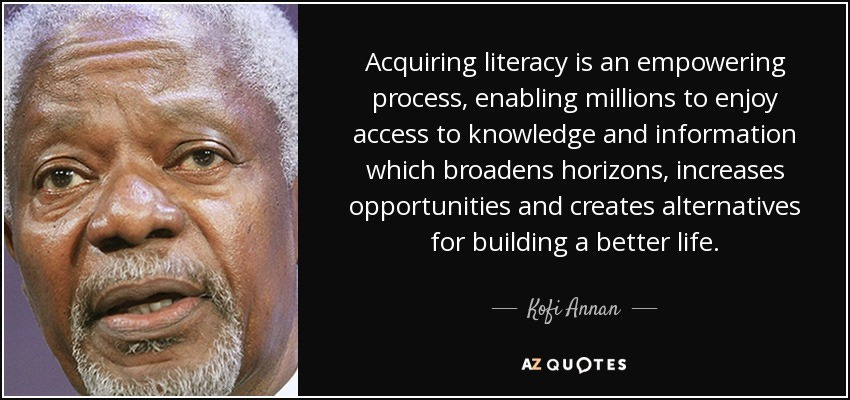
Recent studies indicate that many students, even from fine universities, are functionally illiterate. That is, to say, unable to read adult literature with comprehension and uninterested in deepening their knowledge by reading. The results of this are quite serious, and many can be seen in today’s headlines. How many people shouting “From the river to the sea” actually know what they are saying? When you challenge them about “No Kings,” few of them can actually argue their case with reasoned thoughts. They aren’t reading. And yet, many have credentials that make us believe that they can do deeper than skimming the first item in a Google search.
Where Did This Come From?
When schools are more focused on how students “feel,” rather than inculcating deep learning, deep learning isn’t going to happen. Using computers instead of lined paper and a pen makes it easy to rush through a project or an exam with little thought. Wikipedia substitutes are real research. AI makes it worse, encouraging plagiarism, or, at least, laziness.
Let’s face it. We’re all lazy to some extent, unless we’re pushed. In school, if you knew you could get an “A” without trying, would you put in extra effort for yourself? Intellectual rigor isn’t born into us; it’s learned. This means teachers have to hold you accountable to a high standard, making the assumption that you can rise to their expectation. When teachers do this, something amazing happens. Kids learn more, go deeper and become better at the task of educating themselves.
Years ago, a few studies were done looking at the impact of telling teachers students’ IQ scores. They told teachers that the students with high IQs actually had low IQs and vice versa. Suddenly, kids who had been struggling were doing markedly better. Expectations create success. Low expectations engender failure.
Yet, when you worry about “self-esteem” and “feelings,” how can you be a tough teacher at the same time? Yes, it hurts to fail at things. It hurts to be told an essay you slaved over isn’t that good. But how else do you learn? If you are continually told you are an “A” student when you clearly are not, how do you ever get better? Why would you? Grade inflation results as a way of ensuring that every child feels good about themself. But that’s bogus.
And Then, There’s College
Increasing numbers of colleges offer remedial courses in a variety of subjects, trying to fill holes in the students’ education that should have been filled in K-12. Their grades (and inflated SAT scores) get them into schools which formerly would not have accepted them. Some professors may protest this, but their careers may be on the line if they don’t follow the trend. Especially when you confront a minority student, who, having suffered through lousy schools earlier, feels entitled to being stroked and supported. (They probably should, but not at the university level and not at the cost they will incur). Standards fall and more students are simply pushed through their education, not held accountable.
The Cost (Already Visible)
The first “cost” that is even published in the press is the unwillingness of college-educated people to stand hearing opinions they don’t like. They’ve been taught that every thought, no matter how little data and examination went into it, is precious and is TRUTH. If you cannot converse with people who hold different opinions, you are not literate. If your feelings are so sensitive that you feel physical pain when you are questioned, you aren’t an adult and probably don’t contribute as you should to adult society.
Reading forces you to learn about other worldviews and explore ideas that may not fit in with your current worldview. It makes you understand that there are as many worldviews as there are people (and perhaps more), but that each is only a part of the actual total. Reality/truth is something we can only get close to, not attain. But if you don’t read challenging material and deal with people who don’t share your views, you never even have a prayer of getting close to the truth.
Scientists get this (mostly). As I’ve mentioned in prior blogs, a professor told me that “when I teach, I’m merely replacing ignorance with misinformation.” He got that he only had a piece of the puzzle, and, especially in the sciences, we know that each advancement tends to disprove a prior belief. It would be weird if we believed all the things we believed as children, but the failure of schools to demand excellence means that you are never going to elevate yourself to the greater person you could be. Education is about “becoming,” which is a lifelong pursuit. Yet, how can you pursue it if you can’t or won’t read?